 English
 عربي
عربي Русский
 Français
 Español
 Deutsch
The KANGLONG T-790 delivers a relentless 10W UHF signal and traditional circuit stability for crystal-clear communication in demanding industrial and outdoor environments.
Read More

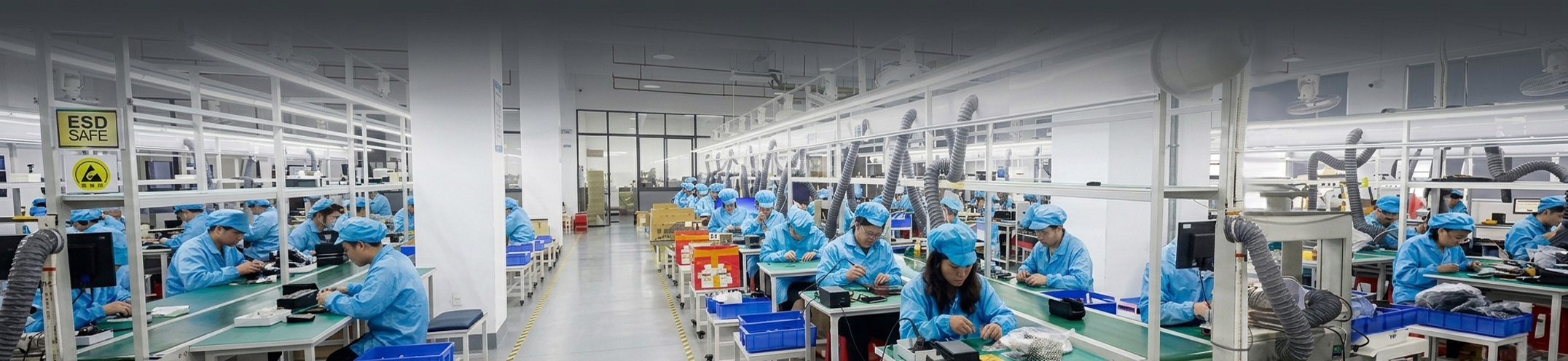
Loud Workshops, Long Aisles: Choosing the Right Walkie-Talkies for Manufacturing Plants
Picture a busy production shift: Machinery roars across the factory floor. The line supervisor needs to reach a maintenance technician at the opposite end of the building; a forklift driver is operating in an adjacent warehouse; and an electrician is inspecting switchgear alone in the electrical room.
Shouting across the floor is ineffective, and phone calls are impractical in active industrial environments. Steel structures, complex building layouts, and heavy electromagnetic interference can further degrade wireless signals.
These practical operational challenges define factory communication requirements. A manufacturing plant encompasses noisy production floors, quiet control offices, indoor facilities, and outdoor storage yards. Communication needs vary significantly by role. Therefore, selecting two-way radios based on job responsibilities and operational workflows is far more effective than choosing devices solely based on plant footprint.
KANGLONG provides a versatile range of analog two-way radio solutions tailored to specific roles, operational environments, and fleet management requirements:
High-Power Analog Radios (with SOS Alert) | Fleet-Managed Analog Radios (with Wireless Cloning) | Compact Analog Radios
When selecting your fleet, evaluate three primary factors:
| Category | Reference Models | Target Roles | Key Features |
|---|---|---|---|
| 10W Analog Radio (with SOS) | T-790 (Optional: P-830, 10W / IP68) | Workshop Supervisors, Maintenance Engineers, Security Patrols | Dedicated SOS Alarm, 16 Channels, All-Call Broadcast, Type-C Charging |
| 12W High-Power Radio (Wireless Cloning) | T-980 / T-900 / T-960 | Large Fleets, Yard & Logistics Crews, Patrol & Inspection Teams | High-Speed Wireless Cloning, SOS Alarm (T-900), CE Certified (T-900) |
| 2W Compact Analog Radio | T-290 / T-270 / T-288 | Administration, Packaging Lines, Small Warehouses, Quality Inspection (QC) | License-Free (FRS), Type-C Direct Charging, Lightweight & Easy Fleet Management |
Roles such as production floor supervisors, maintenance technicians, and security personnel require dependable signal penetration along with instant emergency alerting capabilities.
Recommended Model: T-790
The T-790 is a high-power 10W UHF analog two-way radio featuring a dedicated emergency SOS button. Key specifications include:
The T-790 supports custom frequency and CTCSS/DCS programming across departments, streamlining cross-functional fleet coordination. While ideal for heavy manufacturing plants and construction sites, actual RF coverage depends on structural layout and local interference; on-site signal testing is recommended. For high-dust, outdoor, or wet environments, models with higher ingress protection (such as the IP68-rated P-830) can be evaluated.
Large-scale facilities often deploy dozens or hundreds of handsets that require identical frequency and signaling configurations. Wireless cloning duplicates channel and feature settings from a master radio to target units over the air without programming cables, dramatically reducing deployment time.
Recommended Models: T-980 / T-900
These models are optimal for large teams, outdoor container/logistics yards, and mobile maintenance crews. Where higher output power, ruggedized ingress protection, or expanded channel capacity is required, specialized models such as the T-930 can also be selected.
Note: Wireless cloning requires identical model hardware and frequency bands. Over-the-air replication overwrites existing target device profiles, so configurations should be validated prior to batch deployment. Real-world range is determined by RF power, antenna height, structural line-of-sight, terrain, and atmospheric conditions—antenna elevation and physical obstacles often influence coverage more than output wattage alone.
Not every station requires high-power 10W or 12W transceivers. Staff in administrative offices, packaging lines, localized stockrooms, and QC stations operate within limited physical areas.
Recommended Models: T-290 / T-270 / T-288
These 2W UHF compact radios support universal USB Type-C charging and are positioned as license-free (FRS-compatible) series. They deliver lightweight portability, standardized charging, and simplified daily management.
Note: Frequency allocations, power ceilings, and license-free regulations vary across international jurisdictions. Please verify local spectrum regulations before deployment.
| Job Role / Operational Requirement | Recommended Solution | Reference Models |
|---|---|---|
| Workshop Supervisors in Noisy Lines | 10W High-Power Radio with SOS Alert | T-790 |
| Lone Workers & Night Patrol Staff | 10W High-Power Radio with Dedicated Emergency SOS | T-790 (Compare P-830 for heavy dust/wet conditions) |
| Large Operations Teams Requiring Batch Setup | 12W High-Power Radio with Over-the-Air Wireless Cloning | T-980 / T-900 / T-960 |
| Logistics & Storage Yard Crews | 12W High-Power Radio (On-site signal verified) | T-980 |
| Office, Packaging Line, Small Warehouses | 2W Compact License-Free Radio | T-290 / T-270 / T-288 |
(Illustrative deployment example)
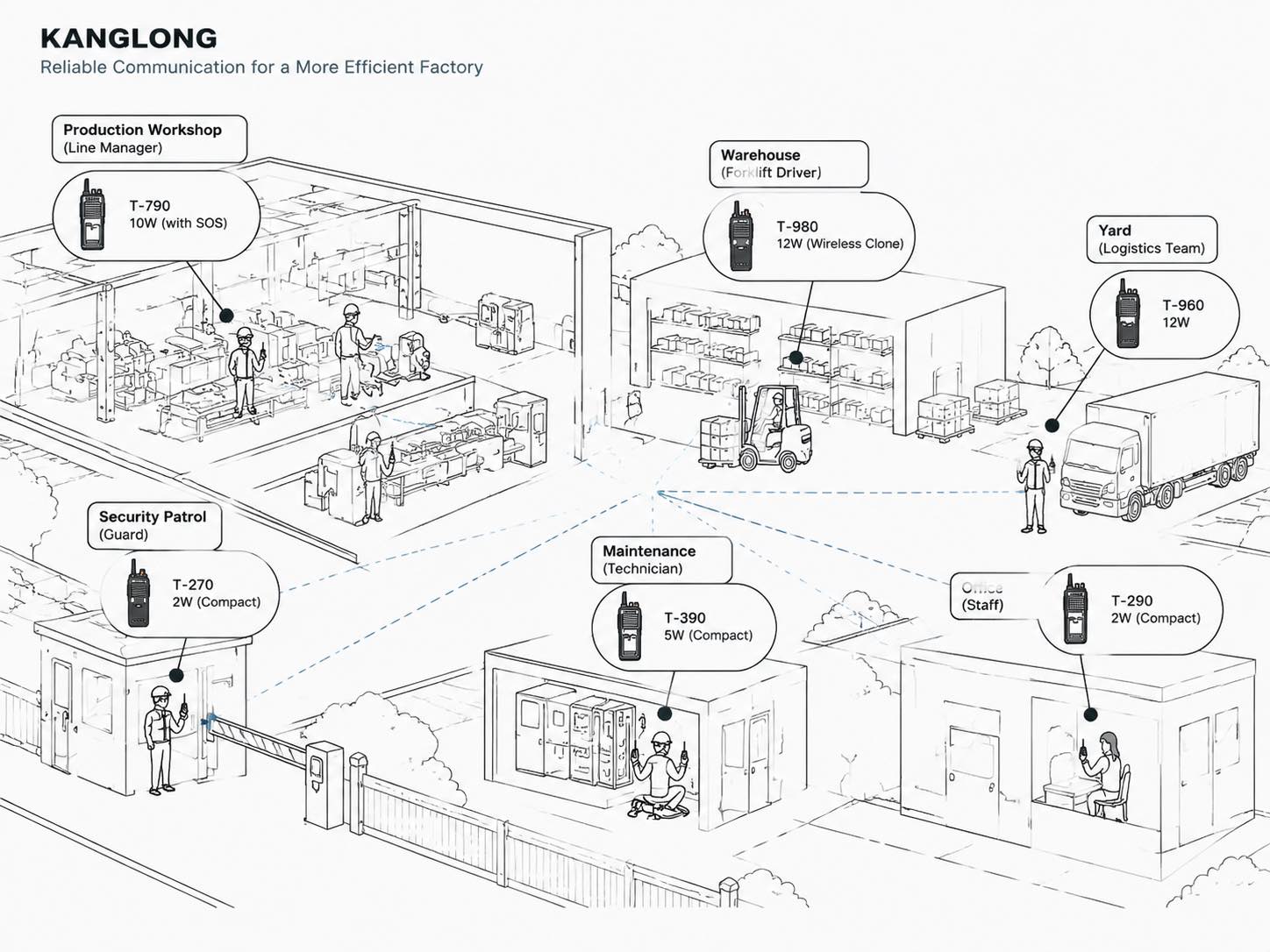
Choose 10W with SOS when:
Choose 12W with Wireless Cloning when:
Choose 2W Compact when:
For multi-building campuses or multi-site coverage, repeater systems or digital (DMR/PoC) architectures provide extended coverage and scalable capacity.
A plant supervisor, yard driver, and packaging operator have distinct operational requirements. Tailoring device selection by duty cycle, noise exposure, coverage range, and safety demands delivers far higher operational efficiency than purchasing a single generic model for the entire facility.
Q: Does the T-790 include an emergency SOS feature?
A: Yes. The T-790 features a dedicated SOS alarm button that broadcasts pre-programmed emergency alerts across designated channels.
Q: What is wireless cloning and how does it benefit fleet management?
A: Wireless cloning copies frequency, signaling, and channel parameters from a master handset to multiple target units over the air without cables, substantially accelerating large fleet deployments.
Q: Are 2W walkie-talkies license-free?
A: Selected 2W models comply with standard license-free services (such as FRS). Regulatory limits vary by country; please confirm local compliance requirements before deployment.
Q: Is a 12W radio always superior to a 2W radio?
A: Not necessarily. For localized tasks within small workshops or offices, lightweight 2W units offer superior ergonomics and battery economy. Higher wattage is beneficial for penetrating reinforced structures or open yards.
Q: Do steel structures and heavy industrial machinery affect radio signals?
A: Yes. Dense metallic frameworks, concrete walls, and large electrical machinery can attenuate RF signals or create blind zones. Pre-deployment site testing helps determine optimal hardware and repeater placement.
Q: Can the T-790 only be charged via drop-in desktop cradle?
A: No. The T-790 supports both standard USB Type-C direct charging and desktop drop-in charging docks, allowing flexible charging in factory environments.
Q: How should a factory determine total radio quantities?
A: Radio fleet sizing should be calculated based on active operational duty posts across production, maintenance, logistics, and security rather than total headcount alone, including a 10–15% spare allowance for shift rotations.
Q: Must every worker in the same plant use the same radio model?
A: No. Mixed-fleet deployments—pairing high-power SOS units for floor supervisors/lone workers with compact lightweight units for packaging/office staff—maximize both cost-efficiency and user comfort.
Q: Do radios require frequency programming before deployment?
A: Yes. Radios must be programmed with assigned operational frequencies, sub-tones (CTCSS/DCS), and channel groupings to eliminate cross-talk and channel interference.
Q: Can high-power walkie-talkies alone cover very large manufacturing campuses?
A: For expansive multi-building complexes or underground facilities, handheld RF power alone may be insufficient. Integrating bidirectional amplifiers, repeaters, or digital DMR/PoC systems provides full, uninterrupted campus-wide coverage.
Industrial communication is not merely about choosing the highest wattage—it is about matching the right tool to each operational environment.
If you are planning or upgrading your manufacturing communication system, contact our engineering team with your facility layout, team size, and operational requirements for a tailored hardware proposal:
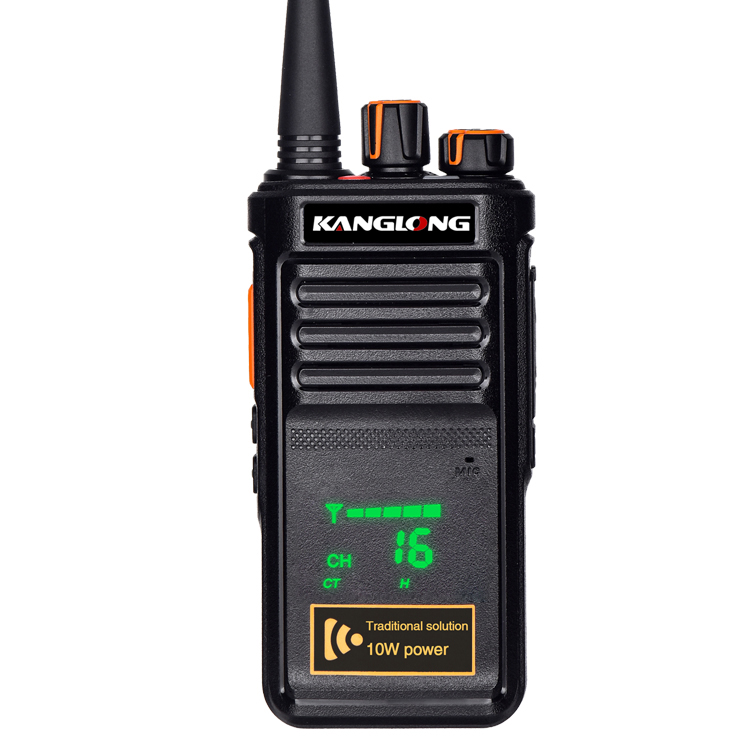
The KANGLONG T-790 delivers a relentless 10W UHF signal and traditional circuit stability for crystal-clear communication in demanding industrial and outdoor environments.
Read More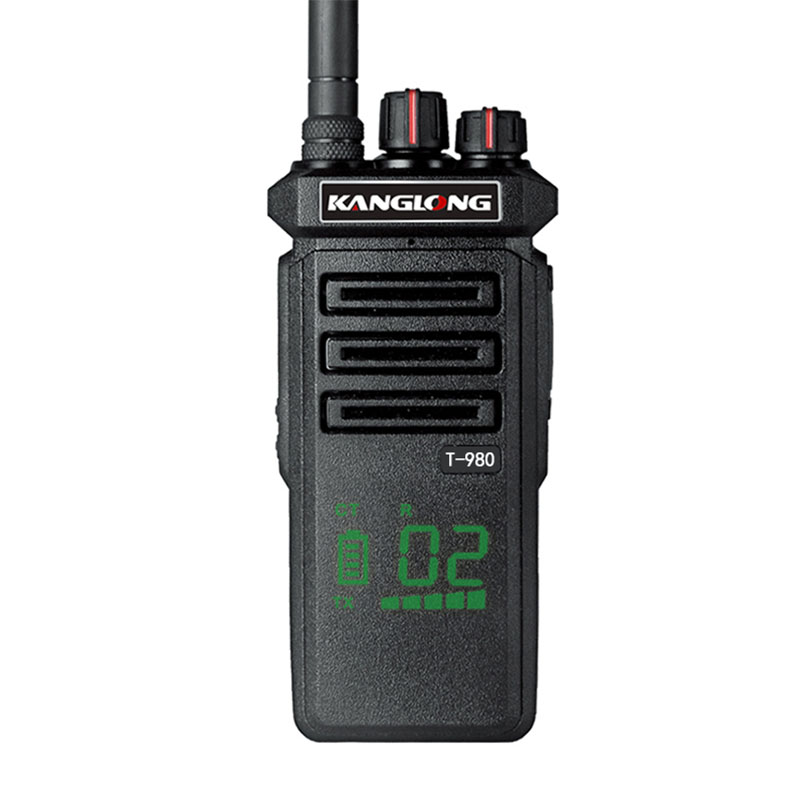
The KANGLONG T-980 elevates professional communication with an authoritative 12W signal, integrating high-speed wireless cloning to keep massive crews synced across the most challenging industrial landscapes.
Read More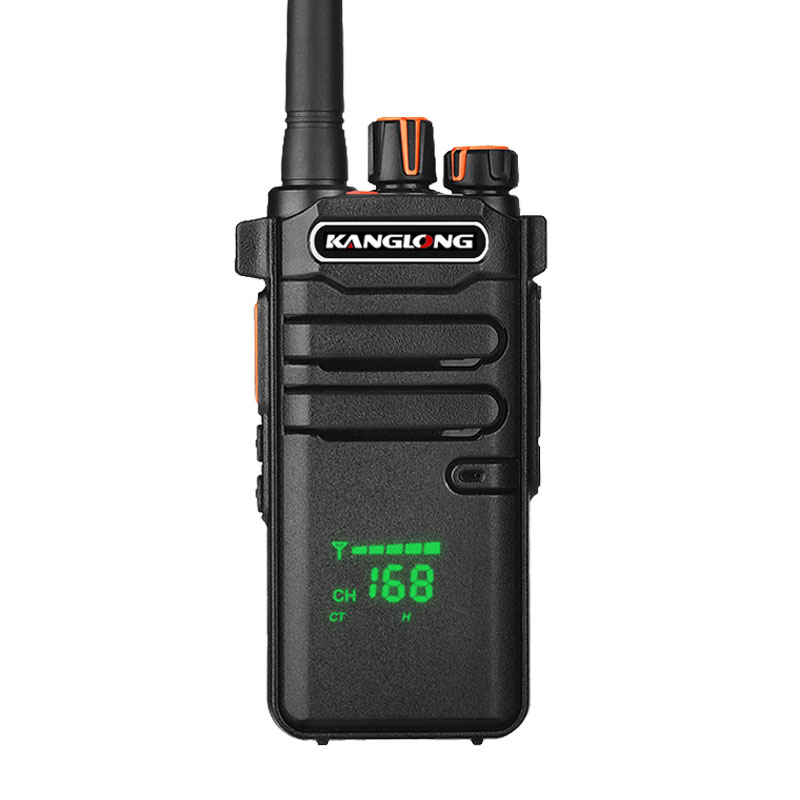
The KANGLONG T-900 combines a massive 12W output with advanced wireless replication and a built-in SOS emergency function, delivering elite-tier UHF/VHF communication for mission-critical safety.
Read More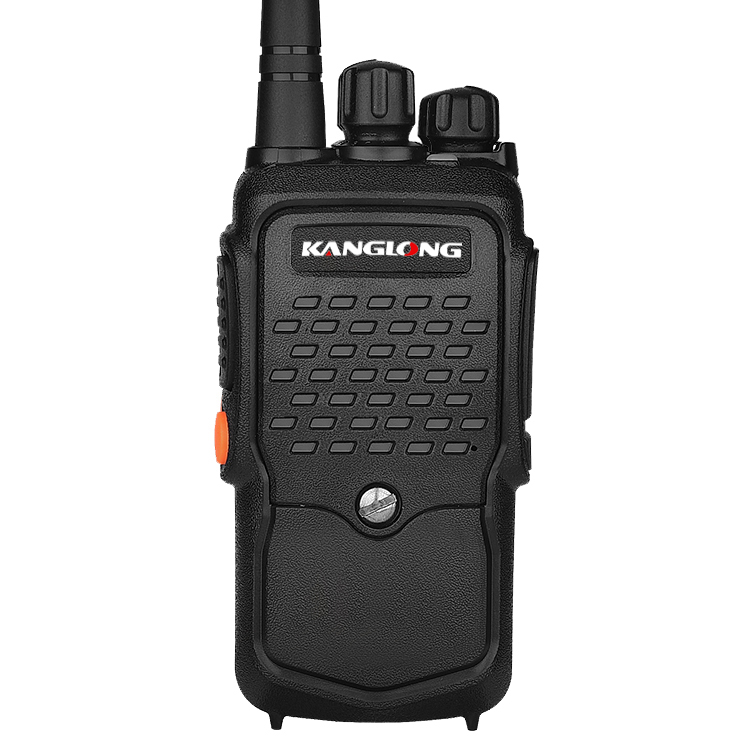
The KANGLONG T-260 is a heavy-duty, license-free 2W analog radio featuring a unique removable front cover for effortless cleaning on dusty engineering job sites.
Read More